Leave Your Message

2026 Best Bulk Vacuum Bags for Global Buyers?

Global buyers entering 2026 face a practical question: which Bulk Vacuum Bags protect products without creating unnecessary cost or waste? The answer depends on product type, film structure, seal strength, storage temperature, and shipping distance. A thick bag is not always a better bag. Sometimes, it is simply heavier.

The United Nations Environment Programme reported that 1.05 billion tonnes of food were wasted in 2022. Reliable vacuum packaging can help reduce spoilage, especially for meat, seafood, cheese, coffee, and prepared foods. Smithers’ global packaging outlook also points toward continued growth in flexible packaging, driven by lightweight formats and improved material efficiency. Grand View Research identifies vacuum packaging as an important preservation solution across food and industrial applications. These reports offer direction, but they cannot replace product testing.

Walter Soroka, author of Fundamentals of Packaging Technology, describes packaging as “the science, art, and technology of enclosing and protecting products.” That definition remains useful for Bulk Vacuum Bags. Protection must include puncture resistance, oxygen control, clean sealing, and consistent dimensions. Global buyers should also examine certificates, migration testing, recycled-content claims, and supplier traceability. Details matter. A weak seal can ruin an entire pallet.

This guide compares the 2026 best Bulk Vacuum Bags by performance, application, supplier reliability, and total landed cost. No ranking is perfect. Some supplier data remains self-reported. Buyers should test samples under real conditions before committing to large volumes. A bag that performs well in a laboratory may behave differently inside a hot container.
2026 Best Bulk Vacuum Bags for Global Buyers?

What Are Bulk Vacuum Bags and How Do They Work?

What Are Bulk Vacuum Bags and How Do They Work?

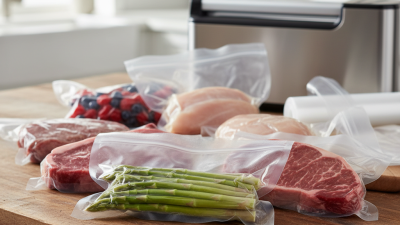
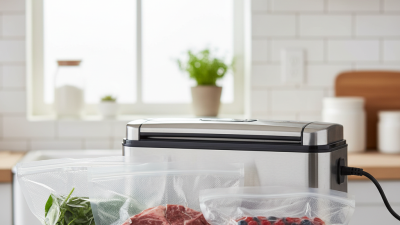
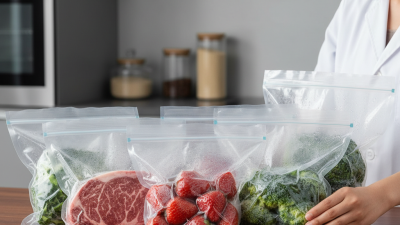
Bulk vacuum bags are multilayer pouches designed for high-volume storage and transport. A vacuum machine removes air, then heat seals the opening. Less oxygen slows oxidation, moisture loss, and some microbial growth. The bag must fit the product closely. Excess space weakens vacuum performance.

Material choice matters. Polyamide can improve puncture resistance, while polyethylene supports reliable sealing. Barrier layers reduce oxygen transmission, but no bag creates permanent protection. UNEP’s Food Waste Index Report 2024 estimated 1.05 billion tonnes of food were wasted in 2022. Vacuum packaging may reduce avoidable spoilage, but temperature control remains essential. It is not a substitute for safe handling. Some suppliers also overlook seal contamination from oil, powder, or liquid.

Tips: Check oxygen and moisture transmission data before ordering. Request ASTM F88 seal-strength testing and ASTM D3985 oxygen-transmission results. Test sample bags with your actual product, sealing temperature, and shipping conditions. A thicker bag is not always better. It may increase cost and material use without improving protection. For chilled goods, keep storage at 4°C or below, following professional food-safety guidance. Recheck damaged seals after pallet movement. That small step can prevent a large loss.
Key Materials, Sizes, and Closure Systems Explained

For global bulk buyers, material selection begins with the product’s oxygen, moisture, and puncture risks. Multilayer PA/PE film remains practical because nylon adds toughness, while polyethylene supports reliable heat sealing. For oxygen-sensitive goods, an EVOH barrier layer can help, but humidity may reduce its performance. The FAO reported that 13.2% of food was lost before retail in 2021, so packaging performance deserves careful testing, not optimistic claims.

Sizes should match the inner load and outer pallet footprint. A 300 × 400 mm bag suits smaller portions, while 600 × 900 mm formats can serve larger industrial packs. Measure product volume, headspace, and sealing clearance together. Too much empty space wastes freight. Too little space stresses the seams. In my experience, a slightly wider bag often reduces tearing during filling, although it may increase material use. That trade-off needs calculation.

Closure systems also change handling reliability. Heat seals provide strong tamper evidence and suit automated packing. Zippers support repeated access, but their tracks can trap powder or fail when misaligned. One-way valves help release gases from selected products, not every commodity. ASTM D3078 leak testing and ISO 11607 sealing principles offer useful quality references. A 2023 FAO report also highlights the importance of reducing food loss across supply chains. Buyers should request seal-strength results, drop-test records, film thickness, and storage limits. Supplier documents are helpful. Independent samples are better.

How to Match Vacuum Bags With Different Product Types

Choosing the right vacuum bag starts with the product, not the lowest bulk price. Dry goods such as coffee, grains, and powders need strong oxygen and moisture barriers. A multilayer PA/PE structure often provides reliable sealing and puncture resistance. However, powdered products may enter the seal area. Leave enough headspace and keep the opening clean.

Moist or oily products require bags with stable seals and suitable food-contact documentation. Sharp items, including hardware or frozen bones, need thicker film or an added protective wrap.

Soft textiles usually need less puncture protection, but larger bags must resist stretching during compression. Smooth bags suit chamber machines, while embossed bags often work better with external suction machines. Machine compatibility matters more than appearance.

Tips:

Test the actual product before ordering a full container. Check seal strength, leakage after 24 hours, and bag performance during stacking. A thicker bag is not always better; it can waste space and increase cost. I have seen buyers focus on film thickness and overlook the seal width. That small mistake caused repeated leaks. Also review temperature conditions during shipping. Frozen goods, hot-filled products, and humid warehouses can change bag performance. For global purchasing in 2026, request samples, technical data, and batch consistency records. Do not rely only on a supplier’s general claim. Your product shape, moisture level, storage time, and machine should guide the final specification.

Global Quality, Compliance, and Shipping Considerations

2026 Best Bulk Vacuum Bags for Global Buyers?

Global buyers should judge vacuum bags beyond appearance and price. The FAO’s State of Food and Agriculture 2019 estimated that 14% of food is lost between harvest and wholesale. UNEP’s Food Waste Index Report 2024 recorded 1.05 billion tonnes of food waste in 2022. Proper vacuum packaging can reduce oxygen exposure, leakage, and handling damage, but it cannot replace cold-chain control. It is not a magic shield.

Request measurable specifications. Check oxygen transmission rate, water-vapor transmission rate, puncture resistance, and seal strength. For food contact, suppliers should provide migration testing and declarations under applicable rules, such as EU Regulation 1935/2004, relevant GMP requirements, or US FDA food-contact provisions. The EU Packaging and Packaging Waste Regulation 2025/40 also increases attention to material composition, recyclability, and documentation. Local requirements may differ. Verify them before production.

Shipping performance deserves equal scrutiny. Use moisture barriers inside cartons, strong outer cases, and pallet patterns that prevent corner crushing. Ask for compression, drop, and temperature-cycle test results. Confirm Incoterms, carton dimensions, net weight, and customs classification before booking freight. A bag may pass a laboratory test yet fail after six weeks in a humid container. I have seen specifications treated as optional. That is a costly mistake. Buyers should also approve a production sample, retain sealed samples, and record lot numbers for traceability. Perfect planning is impossible, but weak records make problems harder to correct.

2026 Best Bulk Vacuum Bags for Global Buyers? - Global Quality, Compliance, and Shipping Considerations

Bag Format Typical Construction Typical Thickness Common Size Range Typical Use Barrier and Durability Profile Recommended Seal Global Compliance Checks Bulk Shipping Considerations
Standard Smooth Chamber Bag PA/PE coextruded film, commonly nylon/polyethylene 70–150 microns 150 × 200 mm to 500 × 700 mm Meat, seafood, cheese, dry foods, and general foodservice packing Good oxygen and moisture barrier; smooth surface supports reliable chamber evacuation Double seal preferred; 3–5 mm seal width is commonly specified Food-contact declaration, migration testing, overall composition, ink and adhesive compliance Flat-packed cartons reduce volume; protect film from puncture, moisture, and excessive heat
Heavy-Duty Smooth Bag Higher-gauge PA/PE multilayer film 120–200 microns 250 × 350 mm to 700 × 1,000 mm Bone-in meat, industrial components, dense or sharp-edged products Higher puncture and tear resistance than standard gauges; barrier depends on the film structure Double or triple seal; rounded corners can reduce stress concentration Food-contact or industrial-use documentation, depending on the packed product Higher film weight increases freight cost; calculate carton gross weight before ordering
Embossed External-Vacuum Bag Embossed PA/PE film with channels to support air removal 90–160 microns 150 × 200 mm to 400 × 600 mm External suction machines, household and light commercial use Channel geometry improves air evacuation outside a chamber; less suitable for very sharp products Double seal with a clean, dry sealing area Confirm food-contact status, recyclability claims, and compatibility with the destination market Embossed rolls or flat packs need crush protection to prevent channel deformation
High-Barrier PET/PE or PA/EVOH/PE Bag Multilayer structure with polyester or EVOH barrier layer 80–150 microns 200 × 300 mm to 600 × 900 mm Oxygen-sensitive foods, coffee, powders, and products requiring extended shelf life Very low oxygen transmission is achievable; EVOH performance can decline at high humidity unless properly protected Double seal; specify target oxygen transmission rate and test method EU food-contact rules, applicable U.S. food-contact requirements, and destination-country migration limits Use moisture-resistant cartons and request barrier test reports from the production batch
Retort-Compatible Vacuum Pouch Heat-resistant multilayer structure, often including polypropylene-based sealant and a barrier layer 80–150 microns 120 × 170 mm to 300 × 400 mm Shelf-stable meals and products processed under validated heat and pressure conditions Designed for elevated-temperature processing only when the exact structure is validated for the process Validated wide seal; seal strength must be tested after processing Retort suitability, migration testing, seal-strength testing, and process validation are essential Prevent creasing and pinholing during palletization; use protective dividers for long-distance transport
Gusseted Industrial Vacuum Bag PA/PE or barrier multilayer film with side or bottom gussets 100–200 microns 300 × 400 × 100 mm to 700 × 1,000 × 250 mm Large food portions, textiles, hardware, and irregularly shaped goods Provides additional volume; gusset folds and corners require careful seal and leak testing Wide double seal recommended; specify corner geometry and opening orientation Confirm end-use regulations, packaging-waste obligations, and any required product-contact documentation Optimize carton dimensions because gussets can create unused cubic volume during packing
Liquid- and Marinade-Handling Bag Flexible PA/PE multilayer film with reinforced seal area 90–150 microns 200 × 300 mm to 400 × 600 mm Marinated foods, sauces, liquid ingredients, and wet products Flexible and sealable, but liquid contamination can cause channel leaks or weak seals Double seal; keep liquid below the sealing zone and verify leak resistance Food-contact declaration, migration testing, odor assessment, and hygiene controls For chilled or frozen goods, confirm temperature control, condensation protection, and applicable sanitary requirements
Freezer-Grade Vacuum Bag Low-temperature-resistant PA/PE multilayer film 70–150 microns 150 × 200 mm to 500 × 700 mm Frozen meat, seafood, prepared foods, and long-term frozen storage Must retain flexibility and seal integrity at the stated storage temperature; test after freezing Double seal; avoid sharp folds and trapped product at the seal Confirm low-temperature performance, food-contact compliance, and labeling requirements For frozen shipments, packaging must be combined with validated cold-chain and insulated logistics procedures

Buyer Verification Notes: The ranges above are typical procurement specifications rather than guarantees for every production batch. Request a technical data sheet, certificate of analysis, food-contact declaration where applicable, migration-test report, seal-strength results, leak-test results, and confirmation of the film’s intended temperature range before placing a bulk order.

For international shipments, confirm HS classification with the customs broker, agree on Incoterms, verify carton and pallet dimensions, calculate volumetric freight, and check destination-market packaging-waste, labeling, and import requirements.

How to Evaluate and Select Reliable Suppliers in 2026

2026 Best Bulk Vacuum Bags for Global Buyers?

Global demand makes supplier screening more important in 2026. Grand View Research valued the vacuum packaging market at about USD 29.5 billion in 2023, with continued growth expected through 2030. Smithers also identifies flexible packaging as a major global packaging sector, driven by food preservation and transport efficiency. These figures show opportunity, but they do not prove supplier reliability.

Evaluate bags through measurable performance, not attractive samples. Request oxygen transmission rate, water vapor transmission rate, puncture resistance, and seal-strength test results. For food applications, confirm suitable food-contact documentation and traceability for film, ink, and adhesive materials. ISO 9001 certification can support process control, but it is not a substitute for independent testing or factory audits. Ask for recent batch records.

Details matter. Inspect the seal edge under bright light. A weak seal often appears uneven or slightly wrinkled. Test samples after freezing, stacking, and repeated handling. Suppliers should explain minimum order quantities, lead times, defect procedures, and how they manage raw-material changes. I have found that low quotations can hide thinner film or inconsistent dimensions. Yet buyers can also over-specify materials and waste budget. That part deserves honest review. A pilot order is safer than a large commitment. Keep retain samples, inspection photos, and signed specifications for every shipment.