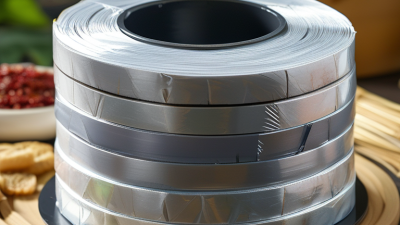
Top Vacuum Packaging Film Solutions for Global Buyers?
Vacuum packaging is crucial in the food industry. It extends shelf life and preserves product quality. Global buyers seek the best Vacuum Packaging Film options to meet their varied needs. These films are designed to create airtight seals that protect contents from spoilage.
Different materials influence the effectiveness of Vacuum Packaging Film. Buyers often face challenges in selecting the right type. With numerous manufacturers, it can be overwhelming to choose high-quality solutions. Some films may not provide adequate barrier protection against moisture and oxygen. Often, customers find themselves disappointed with their choices.
Understanding the nuances of these films is essential for making informed decisions. Buyers should consider thickness, clarity, and usability. Attention to detail in these factors can lead to significant cost savings and improved product longevity. Reliable suppliers often provide samples for testing. This allows buyers to assess the performance of Vacuum Packaging Films before making a commitment. Careful research and thoughtful evaluation can lead to optimal results.
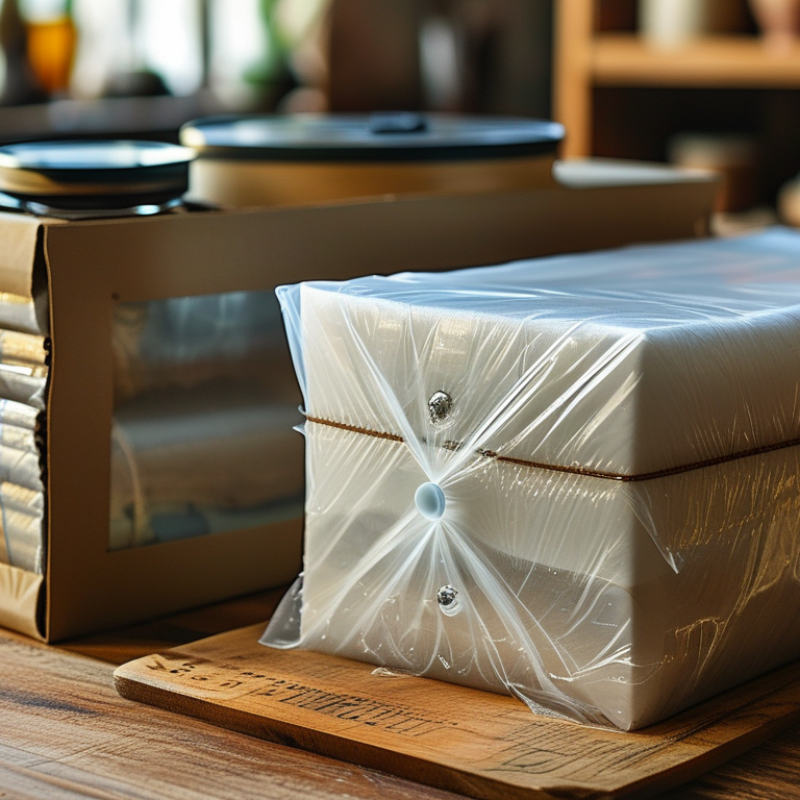
Overview of Vacuum Packaging Film and Its Importance
Vacuum packaging film is crucial in preserving the quality and longevity of products. This packaging method enhances shelf life by removing air and creating a barrier against moisture and contaminants. It plays a vital role in various industries, including food, pharmaceuticals, and electronics. The importance of vacuum packaging is evident in its ability to prevent spoilage. It allows for safer transportation and storage, ensuring that products reach consumers in optimal condition.
Investing in high-quality vacuum packaging film can yield significant benefits. Yet, not all films are created equal. Users must consider factors such as flexibility, strength, and sealability. These characteristics directly affect the effectiveness of the packaging. Some films may perform well in certain environments but fail in others. This inconsistency can influence business decisions and customer satisfaction.
Being aware of limitations is essential for users. For example, not all vacuum films are suitable for microwaving or high-heat applications. Understanding these nuances can prevent costly mistakes. It’s important for buyers to research and seek expert advice when selecting packaging solutions. Knowledgeable choices lead to better product management and consumer trust.
Types of Vacuum Packaging Films Available in the Market
Vacuum packaging films come in various types, each designed for specific applications. The most common types include barrier films, shrink films, and vacuum pouches. Barrier films are excellent for preserving food quality by preventing moisture and oxygen from entering. They are essential for maintaining freshness in perishable goods.
Shrink films, on the other hand, provide a tight seal around products. This type is often preferred in retail environments where product appearance matters.
Vacuum pouches are versatile and widely used for storing a range of items. They can accommodate solids, liquids, and even delicate products. The thickness and material composition of these pouches vary, affecting their durability and seal strength. Some films require careful handling to avoid punctures. While manufacturers strive for consistency, the quality can sometimes fluctuate.
This variability can lead to product spoilage if not monitored closely. In recent years, eco-friendly vacuum packaging films have emerged. They cater to buyers looking for sustainable options. However, these films may not always provide the same shelf life as traditional options.
So, while sustainability is important, it often calls for a balance between environmental concerns and product preservation. Buyers should evaluate their needs carefully when selecting the right vacuum packaging solution.
Key Features to Consider When Choosing Vacuum Packaging Films
When selecting vacuum packaging films, several key features come into play. One fundamental aspect is the material's barrier properties. High-quality vacuum films provide superior protection against moisture, oxygen, and light, prolonging the shelf life of products. According to a recent report, nearly 60% of food waste is attributed to improper packaging. Thus, choosing films with excellent barrier properties can be a game changer for manufacturers.
Another critical feature to assess is the film's seal strength and durability. Films should be able to withstand thermal processing and maintain integrity under varied conditions. Research indicates that films with a tensile strength above 4,000 psi typically perform better in shelf-life extension and product freshness. Buyers should also consider the film’s compliance with safety standards. As regulations evolve, ensuring that packaging materials meet these standards is vital for industry sustainability.
Cost efficiency remains an essential consideration as well. The price of vacuum films can vary significantly based on materials and features. Buyers must analyze the long-term cost-effectiveness instead of opting for the cheapest solution. Balancing quality and affordability is crucial, even if it means sacrificing some aspects of performance. As the market continues to grow, more companies are exploring sustainable packaging options, reflecting changing consumer preferences.
Top Manufacturers and Suppliers of Vacuum Packaging Films Globally
Vacuum packaging films are increasingly popular among manufacturers worldwide. The global market for these films is projected to reach $33 billion by 2027, showing a compound annual growth rate (CAGR) of 5% from 2020. This growth highlights the rising demand for better preservation methods across various industries, including food, pharmaceuticals, and electronics.
Top manufacturers invest heavily in research and development, focusing on enhancing film durability and barrier properties. Reports indicate that high-barrier films can reduce oxygen transmission rates significantly, extending shelf life and maintaining product quality. Many suppliers emphasize the importance of certifications to ensure product safety and compliance with industry standards, appealing to buyers seeking reliable options.
However, challenges exist in sourcing materials sustainably. The industry grapples with balancing quality and environmental impact. As consumers demand greener packaging solutions, manufacturers face the pressure to innovate. This ongoing dialogue between functionality and sustainability represents a significant area for reflection among global buyers. Navigating these complexities can lead to long-term benefits in operational efficiency and market competitiveness.
Emerging Trends in Vacuum Packaging Film Technology and Sustainability
Vacuum packaging film technology is evolving rapidly, focusing on sustainability. The industry is moving away from traditional materials that harm the environment. Instead, there's a notable shift towards biodegradable and recyclable films. This change is driven by consumer demand for eco-friendly solutions. Manufacturers are responding by exploring plant-based polymers and other innovative materials.
Recent trends reveal a growing interest in multilayer films that enhance preservation while reducing plastic waste. These films can extend shelf life without compromising product quality. However, the transition to sustainable practices is not without challenges. Many manufacturers struggle with the cost and efficiency of new materials. Balancing sustainability with performance often requires trial and error. It's crucial to continuously evaluate these solutions to find what truly works.
Moreover, the market is witnessing enhanced functionality in vacuum packaging. Films now boast improved barrier properties and oxygen control. This innovation not only benefits food preservation but also contributes to less spoilage. Yet, the promise of technology must be critically assessed. As companies innovate, they must ensure that sustainability does not come at the expense of effectiveness. Adopting a reflective approach will be key in overcoming these hurdles.