2026 How to Vacuum Seal Shrimp for Perfect Freshness and Flavor?
Vacuum sealing shrimp is a game-changer for seafood lovers. This method locks in freshness and flavor, making every bite enjoyable. When done correctly, it can extend the shelf life of shrimp significantly. This is essential for anyone who purchases shrimp in bulk or wants to ensure quality during storage.
However, many people struggle with the vacuum seal process. Common mistakes occur, such as not cleaning the shrimp properly or using inappropriate bags. Each step matters. The right technique can make a huge difference. Proper sealing preserves texture and taste, while improper methods may lead to spoilage.
Vacuum seal shrimp effectively requires careful attention and practice. There's a learning curve, but it’s worth the effort. With reliable tips and insights, anyone can master vacuum sealing. Your shrimp can taste as fresh as the day it was caught, even weeks later.
Understanding Vacuum Sealing and Its Benefits for Shrimp
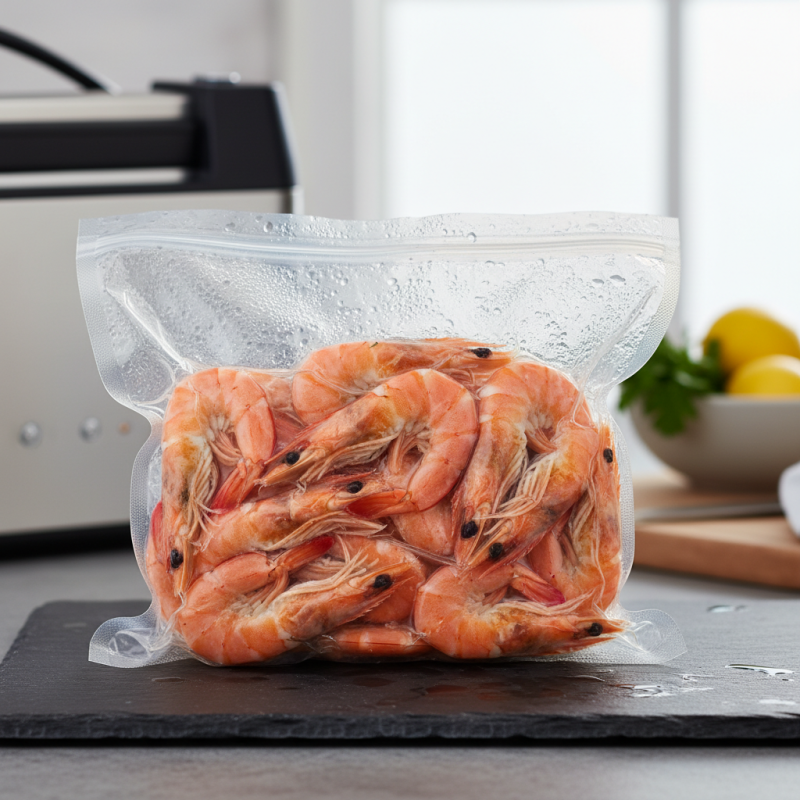
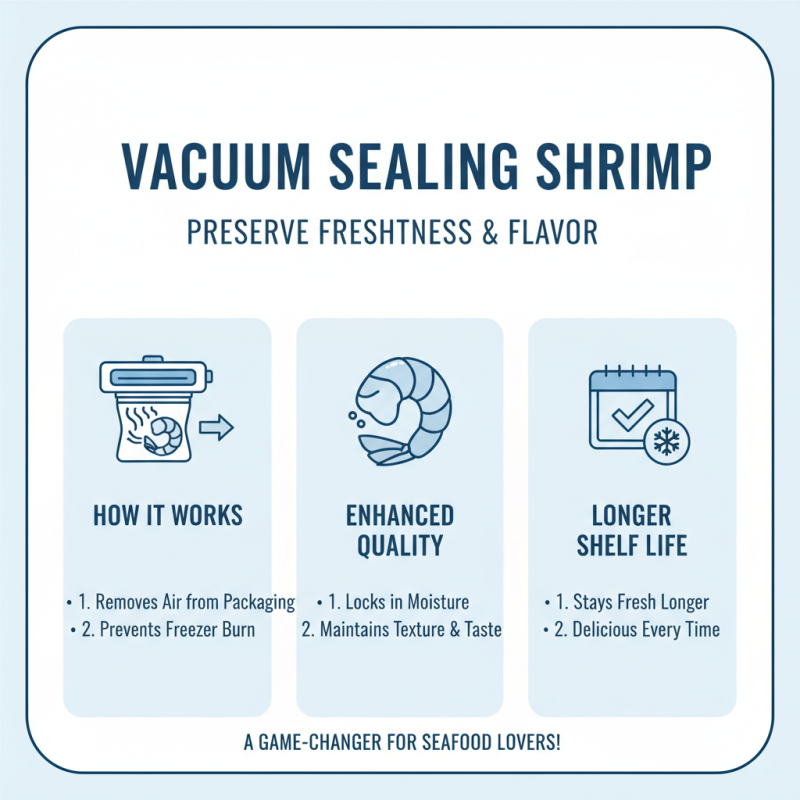
Vacuum sealing shrimp is a game-changer for preserving freshness. Understanding how vacuum sealing works can enhance the flavor and texture of your shrimp. Vacuum sealing removes air from the packaging, which helps prevent freezer burn. This method locks in moisture and keeps your shrimp tasting fresh and delicious.
When vacuum sealing shrimp, use high-quality bags that are designed for this purpose. Ensure the shrimp is clean and dry before sealing. Place shrimp in a single layer for even sealing. Watch for any small air pockets that can lead to spoilage.
Tips: Remember to label your bags with dates. This will help you track freshness and minimize waste. For the best flavor, marinate the shrimp before sealing. It could add an extra depth of flavor that enhances your dishes.
If you notice any inconsistencies in the sealing process, adjust the settings on your vacuum sealer. Make sure you are following the manufacturer's guidelines. Sometimes, shrimp can release moisture, which can interfere with the seal. A quick check can save you from unpleasant surprises later.
Choosing the Right Equipment for Vacuum Sealing Shrimp
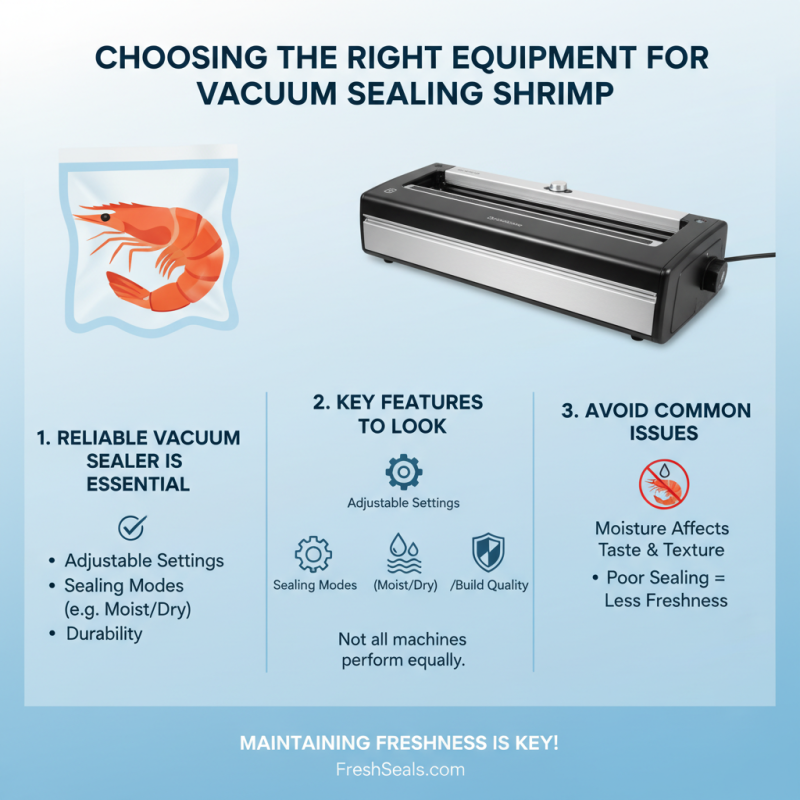
When vacuum sealing shrimp, choosing the right equipment is vital for maintaining freshness. A reliable vacuum sealer is essential. Look for features such as adjustable settings, sealing modes, and durability. Not all machines perform equally. Some may struggle with moisture, affecting the shrimp’s taste and texture.
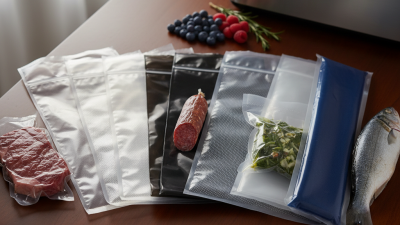
In addition, bag selection is crucial. Use high-quality vacuum bags designed for seafood. These bags should be puncture-resistant and capable of withstanding freezing temperatures. Thin bags can break or leak. A strong seal prevents air from entering, which enhances flavor and freshness. Remember that if the seal fails, the shrimp may not stay fresh.
Consider experimenting with different methods and materials. You might find that specific techniques work better with your shrimp recipes. Learning to adjust your approach can improve your results. Test various settings on your vacuum sealer to see which one gives the best seal for shrimp. The journey to perfecting your vacuum sealing technique may require some trial and error.
Preparing Shrimp for Vacuum Sealing: Cleaning and Seasoning
Preparing shrimp for vacuum sealing begins with proper cleaning and seasoning. Freshness is key, and studies show that shrimp can lose quality quickly if not handled correctly. Start by rinsing the shrimp under cold water. This removes bacteria and any lingering grit. Make sure to remove the shell and devein them as well. The deveining process can be tedious, but it significantly impacts taste and texture. Industry reports indicate that 40% of consumers prefer deveined shrimp due to the cleaner finish.
Once cleaned, seasoning is essential to enhance flavor before sealing. A simple mix of lemon juice, salt, and pepper can elevate the shrimp's natural sweetness. However, spices can also introduce moisture, which is not ideal for vacuum sealing. Aim for a light coat of seasoning to avoid excess liquid. Studies suggest that seafood seasoned and vacuum sealed properly can maintain its flavor and freshness for up to six months in a freezer.
Be cautious with the sealing process. Air pockets can lead to freezer burn. Ensure the shrimp are spread evenly in the vacuum bag. If you're experiencing issues with uneven sealing, consider experimenting with the vacuum settings. Practice can help you refine your technique. Each attempt offers a chance to learn and improve.
2026 How to Vacuum Seal Shrimp for Perfect Freshness and Flavor? - Preparing Shrimp for Vacuum Sealing: Cleaning and Seasoning
| Step |
Description |
Duration |
Tips |
| 1 |
Rinse the shrimp under cold water to remove any dirt or debris. |
5 minutes |
Use a colander for easy rinsing and draining. |
| 2 |
Peel and devein the shrimp if necessary. |
10 minutes |
Make sure to remove the shells to enhance flavor absorption. |
| 3 |
Season the shrimp according to preference (salt, pepper, herbs). |
5 minutes |
Let the shrimp sit for a few minutes after seasoning for better flavor. |
| 4 |
Place shrimp in the vacuum sealing bag. |
2 minutes |
Do not overfill the bag to ensure proper sealing. |
| 5 |
Vacuum seal the bag using a vacuum sealer. |
3 minutes |
Ensure a tight seal to prevent freezer burn. |
| 6 |
Label the bag with the date and contents. |
1 minute |
This helps keep track of freshness. |
Step-by-Step Guide to Vacuum Sealing Shrimp Properly
Vacuum sealing shrimp can significantly enhance freshness and flavor, making it a worthwhile skill to develop. Start by selecting the freshest shrimp available. Pay attention to their color and scent. Fresh shrimp should look translucent, and the smell should be ocean-like, not fishy. Prepare a clean workspace before sealing. This reduces the risk of contamination.
Once the shrimp are ready, gently rinse and pat them dry. Excess moisture can hinder the sealing process. Arrange the shrimp in a single layer in your vacuum sealer bag. Avoid overcrowding, as this can lead to an imperfect seal. When sealing, ensure there is enough space at the top of the bag for a proper seal. Use the vacuum function to remove air thoroughly. Watch closely; if the seal fails, you may need to retry.
After sealing, label the bags with the date. Store them in a freezer for long-term freshness. Remember that even with vacuum sealing, shrimp should ideally be consumed within a few months. If they develop freezer burn, their texture and flavor can degrade. It's essential to check each bag before use to ensure quality. Keeping track of your vacuum-sealed storage will make meal prep easier and more satisfying.
Storage Tips for Vacuum-Sealed Shrimp to Maintain Freshness
Vacuum-sealing shrimp is a great way to keep them fresh and flavorful. However, the storage methods you choose can make a big difference. Once sealed, keep shrimp in the coldest part of your freezer. The temperature should ideally be below zero degrees Fahrenheit. This helps to minimize any potential freezer burn, which affects texture and taste.
Frequent temperature changes can harm vacuum-sealed shrimp. Try to avoid opening the freezer too often. If you notice ice crystals forming inside the bag, this can signal that air has penetrated. Over time, even well-sealed shrimp can lose their satisfying sweetness. It’s wise to consume them within three to six months for optimal taste.
When you're ready to use the shrimp, thaw them in the refrigerator overnight. This slow method maintains its structure and flavor. Steer clear of microwaving or submerging in warm water; these methods create uneven cooking. Always check for any off odors or changes in texture before cooking. It’s important to reflect on how storage methods can impact overall quality and flavor, ensuring each meal is delicious.
Vacuum-Sealed Shrimp Freshness Over Time
This chart illustrates the freshness level of vacuum-sealed shrimp over time. As you can see, the freshness level is highest immediately after sealing and decreases gradually over the weeks. Proper vacuum sealing can help maintain better quality for a longer period.