How to Properly Vacuum Seal Shrimp for Maximum Freshness?
Vacuum sealing shrimp is a crucial skill for preserving freshness and flavor. According to seafood expert Dr. Maria Thompson, “Proper technique can significantly enhance the longevity of shrimp.” Mastering this method will not only extend shelf life but also maintain quality.
Many might overlook the nuances of vacuum sealing shrimp. It's not just about using a machine. Proper preparation and handling are key. Ensure the shrimp are clean and dry before sealing. This simple step can prevent spoilage and freezer burn.
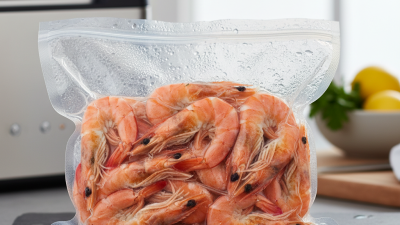
Visually, a well-vacuum-sealed package should provide a snug fit without air pockets. However, mistakes can happen. Some may seal shrimp too tightly or leave inefficiencies in the process. It’s important to reflect on these common errors to improve the outcome. By learning the right techniques, anyone can effectively vacuum seal shrimp, ensuring a delicious meal every time.
Understanding the Importance of Vacuum Sealing Shrimp
Vacuum sealing shrimp is crucial for maintaining its freshness. Fresh shrimp is a delicacy, but it can spoil quickly. When not stored properly, shrimp can lose its flavor and texture. Vacuum sealing reduces exposure to air, which helps prevent freezer burn. This is key for preserving the vibrant taste and nutrition of shrimp.
Understanding the importance of vacuum sealing is also about safety. Shrimp can harbor bacteria, even when frozen. If air is not removed properly, this bacteria can grow. A good seal minimizes this risk. You’ll want to check for leaks as well; even a small gap can allow air in. Ensure the seal is tight and secure.
Another point to consider is that vacuum sealing requires practice. Not all seals are perfect on the first attempt. The process may sometimes leave air pockets. This can happen if the shrimp are not arranged correctly. Attention to detail is essential for achieving the best results. Look for any visible air before storing. Being mindful of these elements can lead to better, longer-lasting shrimp storage.
Choosing the Right Tools for Vacuum Sealing Shrimp
Vacuum sealing shrimp effectively starts with choosing the right tools. A quality vacuum sealer is essential for preserving freshness. According to industry data, proper vacuum sealing can extend shrimp's shelf life by up to five times compared to traditional storage methods. The best sealers create an airtight seal, preventing freezer burn and spoilage.
Selecting the appropriate vacuum bags is equally important. Look for heavy-duty, moisture-resistant bags designed for freezing. Standard bags can tear or become brittle. Not all plastic is created equal; high-quality materials ensure better protection against oxidation and microbial growth. A study revealed that improperly sealed shrimp can lose texture and flavor within weeks.
Many chefs advise using a chamber vacuum sealer for the best results. These devices remove air from the entire chamber, allowing shrimp to be sealed with liquid in the bag. This method is often preferred for delicate seafood. However, not every household may need an expensive unit. Simpler external vacuum sealers can still provide satisfactory results. However, they might not be as effective with liquid-rich foods. It’s crucial to consider usage frequency to determine the right investment.
Step-by-Step Guide to Preparing Shrimp for Sealing
Vacuum sealing shrimp is essential for preserving its freshness. Proper preparation is the key to achieving the best results. Start by selecting high-quality shrimp. Fresh shrimp should have a mild ocean smell, firm texture, and slightly translucent appearance.
After choosing your shrimp, rinse them under cold water to remove any impurities. Pat them dry with a clean towel; excess moisture can lead to freezer burn. For added safety, consider removing the shells and deveining them before sealing. This step can enhance convenience when cooking later. It is essential to leave some space in the bag to allow for proper sealing. Overstuffing can lead to leaks and spoilage.
When sealing, make sure to use high-quality vacuum bags. Squeeze out as much air as possible, as air causes oxidation. If you notice any air pockets, reseal the bag. Improper sealing can compromise your shrimp's freshness. After sealing, label the bags with the date. This simple step can prevent you from keeping shrimp longer than necessary. Each time you open the freezer, consider the impact of handling on the contents. Even small mistakes can result in loss of quality.
Freshness of Shrimp Before and After Vacuum Sealing
This chart illustrates the freshness levels of shrimp over a period of 10 days, comparing shrimp stored normally versus shrimp that has been vacuum sealed. Vacuum sealing helps maintain freshness much longer than traditional methods.
Vacuum Sealing Techniques for Optimal Freshness
Vacuum sealing shrimp can greatly enhance its freshness and shelf life. This method removes air, reducing oxidation and preventing freezer burn. An industry report from the Seafood Science Institute shows that vacuum-sealed shrimp can maintain quality for up to three months longer than traditional storage methods. The key is in the technique used during sealing.
Before vacuum sealing, it's crucial to properly clean and prepare the shrimp. Rinse them under cold water, and pat them dry with a clean towel. For optimal results, consider blanching the shrimp for two minutes. This process not only preserves color but also enhances flavor. According to the National Fisheries Institute, maintaining a temperature below 40°F during this process is vital to bacteria control.
When using a vacuum sealer, ensure the shrimp are not overcrowded within the bag. Leaving some space allows the sealer to create a tight seal. A poor seal may lead to spoilage. If the bag does not seal properly, the shrimp will lose their freshness faster. Remember, the quality of the bag also matters. Use heavy-duty vacuum bags designed to withstand freezing conditions. These simple but often overlooked details can significantly impact the preservation of your shrimp.
Storing and Thawing Vacuum-Sealed Shrimp Properly
When vacuum sealing shrimp, proper storage and thawing methods are essential to maintain freshness. According to the National Fisheries Institute, shrimp can lose up to 30% of their flavor and texture if not stored correctly. Vacuum sealing helps, but how you handle these sealed packages matters too.
Store vacuum-sealed shrimp at 0°F (-18°C). This temperature ensures that shrimp remain safe to eat for up to six months. While it is tempting to leave shrimp in the freezer longer, quality may decline. Always check the seal before storing. Even a small air leak can lead to freezer burn, which diminishes taste.
Thaw shrimp safely in the refrigerator for 24 hours before cooking. This method retains texture and minimizes bacteria growth. Avoid thawing at room temperature; it can accelerate spoilage. For faster thawing, submerged shrimp in cold water, changing the water every 30 minutes. This technique is faster, but it’s still crucial to cook shrimp immediately after thawing to maximize taste and safety.
How to Properly Vacuum Seal Shrimp for Maximum Freshness? - Storing and Thawing Vacuum-Sealed Shrimp Properly
| Method |
Step |
Tips |
| Vacuum Sealing |
1. Rinse shrimp under cold water. |
Ensure shrimp are dry before sealing to avoid freezer burn. |
| Vacuum Sealing |
2. Place shrimp in vacuum seal bag. |
Do not overfill the bag for effective sealing. |
| Vacuum Sealing |
3. Use vacuum seal device to remove air and seal bag. |
Make sure the seal is secure to prevent air leakage. |
| Storing |
4. Store sealed shrimp in the freezer. |
Shrimp can last up to 6 months in the freezer. |
| Thawing |
5. Thaw shrimp in the refrigerator overnight. |
Avoid thawing shrimp in warm water to retain texture. |
| Thawing |
6. If in a hurry, place sealed bag in cold water for quick thawing. |
Change the water frequently to keep it cold. |