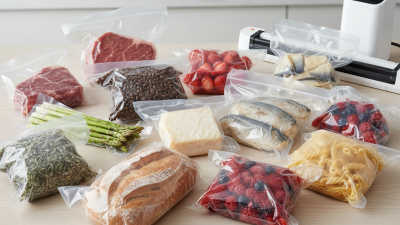
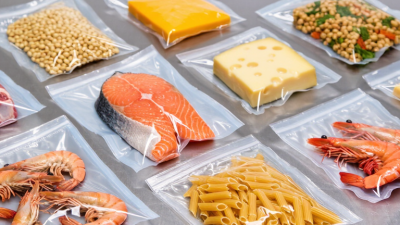
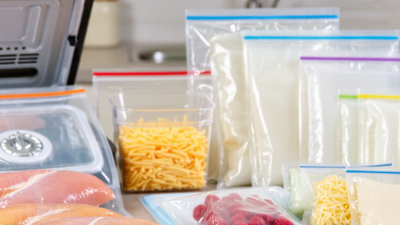
Choosing the best Vacuum Sealing Food Bags starts with the food you store, your sealer, and how you plan to cook or thaw it. A smooth, ordinary storage bag may not work in a chamber or suction sealer. Many external sealers need textured channels that help remove air. Thickness, seal strength, and freezer compatibility matter, too. Small details count. A bag that leaks beside frozen berries can waste more than the price difference.
The scale of food waste makes careful storage worth considering. The United Nations Environment Programme’s Food Waste Index Report 2024 estimates that 1.05 billion tonnes of food were wasted worldwide in 2022, including household waste. Vacuum sealing cannot prevent every loss, and it does not replace safe refrigeration or handling. It can, however, help limit air exposure when the right bag is used and sealed correctly. That distinction matters.
This guide compares embossed and smooth bags, pre-cut pouches and rolls, and reusable options. It also looks at material layers, puncture resistance, freezer performance, and compatibility with common sealers. For sous vide, check the manufacturer’s temperature guidance rather than assuming every vacuum bag is suitable. A thick pouch is not automatically the best one. Nor is the cheapest roll always a bargain. We’ll weigh practical evidence and common trade-offs, while noting where product claims need closer scrutiny.
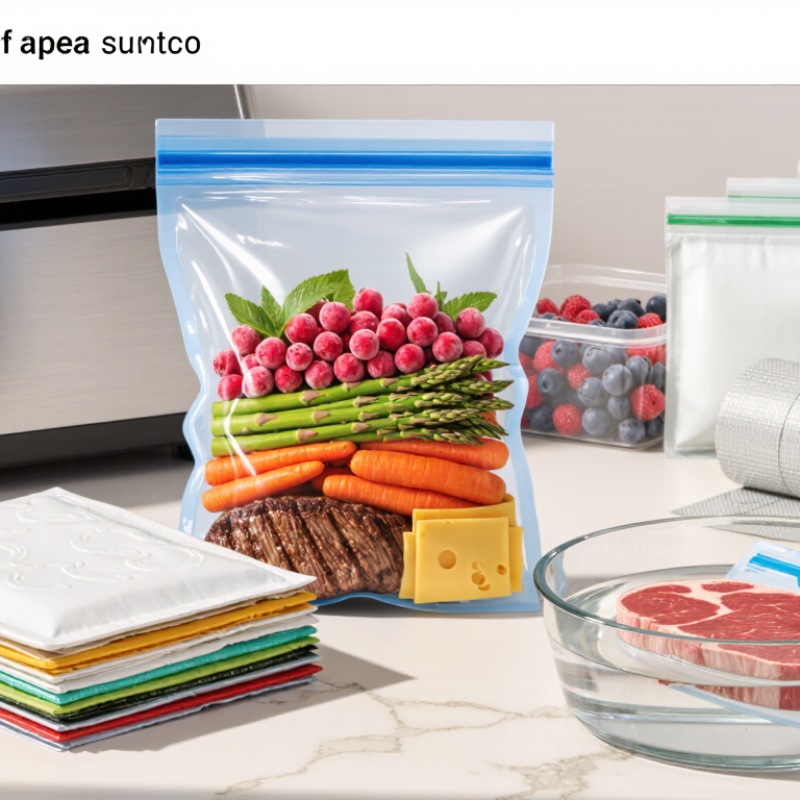
Vacuum-sealing food bags are designed to hold food while a sealer removes much of the air around it. Many are made from layered plastic, with a tough outer surface and an inner layer that can be heat-sealed. Some bags have a textured pattern that helps air move toward the sealer during suction. Smooth bags may need a chamber-style machine. The bag is not magic. It slows oxidation and freezer burn, but it does not make food sterile or stop every kind of spoilage.
During sealing, the machine draws air through the bag’s open edge. It then heats the plastic, pressing the layers together to create a closed seam. Less trapped air means less exposure to oxygen, which can help preserve flavor and texture in the freezer or refrigerator. A careful seal matters. A crumb, oily smear, or fold across the edge can leave a tiny leak. I have found this easy to overlook, especially when packing soft foods.
Tips: Leave a few inches of clear space above the food, and keep the sealing area dry. For moist items, chill or partially freeze them first so liquid does not reach the seam. Check the seal before storing. It may still fail, sometimes for no obvious reason.
What Is the Best Type of Vacuum Sealing Food Bag?
The Main Types of Vacuum Sealing Food Bags
Textured bags and rolls are common for external-suction vacuum sealers. Their raised channels help air move toward the machine as it removes air. Rolls let you cut a pouch to fit a salmon fillet or a handful of berries. Leave enough space at the open end for a clean, flat seal. A damp edge can cause trouble.
Smooth bags are generally used with chamber vacuum sealers. The machine removes air from the chamber, so the bag does not need textured channels. These pouches can suit liquids better, since the contents are less likely to be pulled toward the seal. But a chamber machine is a different setup, and smooth bags may not work in an external-suction sealer.
Reusable zipper-style bags with a vacuum valve offer another option. A compatible hand pump or sealer draws air through the valve, which can be handy for short-term storage. They are not always as airtight as heat-sealed pouches, and the valve needs careful cleaning. Small detail, big difference.
For cooking or freezing, check the bag’s stated temperature range and intended use. Thickness, seal quality, and the food’s shape all matter. I would not assume every vacuum bag handles simmering or sharp bones equally well; check the instructions, and inspect the seal before storing food.
| What Is the Best Type of Vacuum Sealing Food Bag? - The Main Types of Vacuum Sealing Food Bags | |||||
|---|---|---|---|---|---|
| Bag Type | Typical Construction | Machine Compatibility | Best Uses | Main Advantages | Things to Check |
| Embossed or Channel Bags | Textured on one or both sides, with channels that help air move toward the seal. | Commonly used with external-suction, clamp-style vacuum sealers. | Freezer storage, portioning meat, cheese, and dry pantry foods. | Widely available in rolls and pre-cut sizes; the textured surface supports air removal in external-suction machines. | Confirm the bag is compatible with the sealer and suitable for the intended storage or cooking temperature. |
| Smooth Chamber Bags | Smooth-sided bags designed to seal after air is removed from the chamber around the bag. | Designed for chamber vacuum sealers; generally not suitable for most external-suction sealers. | Liquids, marinades, soups, and everyday food packaging in a chamber machine. | Smooth material can be less expensive than textured bags, and chamber sealing can handle liquid-containing foods more easily. | Check the bag dimensions and thickness against the chamber sealer and the planned use. |
| Vacuum Bag Rolls | Continuous material that can be cut to a chosen length and sealed at one end before filling. | Usually intended for external-suction sealers; compatibility depends on the roll’s surface texture. | Foods with irregular shapes or portions that need custom bag lengths. | Flexible sizing can reduce excess packaging when bags are cut appropriately. | Allow enough material at the open end for a clean seal, and follow the sealer’s instructions for roll use. |
| Pre-Cut Vacuum Bags | Individual bags supplied in set sizes, typically with one end already closed. | Available for external-suction or chamber machines; select the matching style. | Frequent portioning, meal preparation, and routine food storage. | Ready to fill and convenient when standard sizes suit the food portions. | Choose a size that leaves sufficient headspace for sealing and fits the sealer’s opening or chamber. |
| Cooking-Rated Vacuum Bags | Food-contact bags specifically labeled by their manufacturer for stated heating or cooking conditions. | Machine compatibility depends on whether the bag is textured or smooth. | Sous vide cooking or reheating when the bag is explicitly rated for the method and temperature. | Can combine vacuum storage with cooking when used within the labeled limits. | Check the stated maximum temperature, time, and cooking method; not every vacuum bag is suitable for heating. |
| Reusable Vacuum Bags | Reusable bags with a closure or valve intended to connect to a compatible hand pump or appliance. | Often require a matching pump or valve system rather than a standard heat-seal vacuum machine. | Short-term storage of suitable foods and repeated household use as directed. | Can be reused when they remain intact and are cleaned according to the manufacturer’s instructions. | Inspect for damage, follow cleaning guidance, and avoid reuse after raw meat, fish, or other foods if the instructions do not permit it. |
What Is the Best Type of Vacuum Sealing Food Bag?
Bag material affects how well food stays protected. Many vacuum bags use several layers, often combining polyethylene for sealing with nylon for strength and oxygen resistance. A smooth, sturdy bag can help limit freezer burn and leaks. Feel the material, too: very thin bags may puncture on sharp bones or frozen edges. They are not all equal.
Bag style matters as much as material. External suction sealers usually need textured bags with channels that let air escape. Chamber sealers can often use smooth bags, which may cost less per bag. Check the sealer’s instructions before buying. A roll lets you cut custom lengths for fish fillets or bulky portions, while pre-cut bags are handy for uniform servings. Leave enough space at the top for a clean seal.
Think about the food and how you’ll use it. For freezer storage, choose bags labeled for freezing and use a second layer for items with sharp corners. For sous vide cooking, confirm that the bag is rated for the intended temperature and duration. Keep sealed food refrigerated or frozen as appropriate; removing air does not make perishable food shelf-stable. I’ve found that a perfect seal can still fail when the bag rim is damp or greasy. Wipe it dry, then check the seam. A small detail, but easy to miss.
Choosing a vacuum bag starts with the food and the sealer. Textured, embossed bags help channel air toward the suction opening, so they often suit external-suction machines. Chamber sealers can usually use smooth bags, which may cost less per bag. Check your machine’s instructions before buying; bag compatibility is easy to overlook.
For steaks, chicken portions, or firm vegetables, use a sturdy bag with enough room for a clean seal above the food. Sharp bones can pierce thin plastic, so wrap exposed tips or choose thicker material. For soups and marinades, freeze the liquid in a shallow container first, then seal the solid block. Less mess. Delicate berries and soft bread need gentle handling; pre-freezing helps prevent crushing. Leave space around each piece so the bag does not pull food into one dense lump.
Rolls are useful when portion sizes vary, but cutting and sealing each end takes extra time. Pre-cut bags are quicker for routine portions and packing lunches. If you plan to cook food in the bag, confirm that its material is rated for the intended temperature and cooking method. Freezer storage also benefits from clear labels with the food name and date. I still find odd-shaped portions frustrating; a perfectly fitted bag is not always worth the extra trimming.
For most home kitchens, textured, multilayer vacuum-sealer bags work best overall. Their embossed channels help remove air, while several bonded layers resist punctures from bone edges and frozen-food corners. Smooth chamber bags can be economical for frequent bulk packing, but they usually need a chamber-style sealer. The practical choice depends on your machine. A perfect bag is no use if it will not seal.
USDA FoodKeeper guidance lists raw ground meat for only 1–2 days in a refrigerator, compared with 3–4 months in a freezer for best quality. Vacuum sealing can reduce air exposure, but it does not make food shelf-stable or replace cold storage. Keep sealed perishables refrigerated or frozen, and label each pouch with its contents and packing date. That small detail prevents mystery meals. Bag thickness and seal quality matter, too, though thicker film can be harder to cut and store.
Tips: Choose bags approved for your sealer, and leave a clean, dry strip at the opening. For juicy foods, chill or partly freeze them before sealing; liquid near the seam can weaken it. Check the seal after cooling. I still find that awkward-shaped cuts sometimes need a second attempt. Don’t assume the first seal is sound.
Best overall for most home users: embossed (textured) bags. Their channels help external suction sealers remove air. Chamber sealers can use smooth bags, which are often less expensive; check your machine’s manual before buying.